Pasture. It’s your lowest-cost feed source. And when weeds and brush get in the way, you need solutions — simple solutions — because you’ve got enough to manage. Range & Pasture products from Corteva Agriscience™ deliver just that, so you can meet any challenge and grow the best pasture and maximize your profit potential.
Stay UpdatedPasture Management


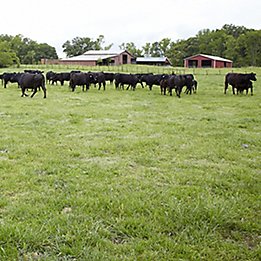
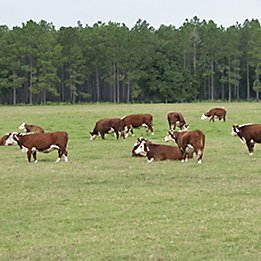

Solutions for Western Rangeland
Whether they’re managing broadleaf weeds on rangeland and permanent grass pastures or roadsides, rights-of-way and other noncrop areas, rangers and land managers in the Western Rangeland need flexible tools to preserve the land achieve various land-use goals. Learn how we’re helping practitioners simplify the job and enhance sustainability — without sacrificing results.
Explore SolutionsWeed ID Guide
Learn how to identify troublesome species and get to the root of the problem.
Resources

Drought Stress Recovery Tips
Identify drought stress in plants, learn what to do and what to look for after herbicide application.
Learn More
Pasture Application ROI
Disrupting Pasture Management: A Profit-Per-Acre Mindset can help you make the most of your existing grazing acres.
Learn More
Herd Health Information
Discover how effective weed control, coupled with sound pasture management, supports the health of your cattle and the land.
Learn More
ROI Calculator
Calculate how you can make the most out of your herbicide investment compared to mechanical methods.
Learn More
Application Methods
Successful control starts with proper application. Choose the method that best meets your objectives.
Learn More
Supporting the Original Stewards
Explore common misperceptions and engage in conversations about sustainability.
Learn MoreThe Steward
Meet the new Range & Pasture Steward Magazine! Here is the digital version. If you want a printed copy of the magazine in your mailbox in the future simply fill our the form at keepsteward.com
Range & Pasture Steward
Our Range & Pasture Steward newsletter is dedicated to providing cattle producers and land managers with the smart and effective information they need maximize the productivity of their land. Head to our full library to learn more.
Click here to sign up and stay informed on weed and brush control with Corteva Agriscience.

Stay Connected With Us


Ask Our Experts — Frequently Asked Questions
Our unmatched experience in providing rangeland and pasture management solutions and services has earned us the reputation as the Range & Pasture experts. We’ve attempted to answer many of the most common questions we receive about pasture improvement and our products.
Purchasing Products
How much do Range & Pasture products from Corteva Agriscience cost?
Selection, availability and pricing vary by retail dealer. Call or visit your local ag chem dealer for product availability and pricing. Keep in mind that price does not necessarily equal value. Considerations such as product support, use rates, complete control vs. burndown, spectrum of control, residual activity, ease of use and grass tolerance all help determine the true value of a product and your return on investment.
How do I locate the closest dealer of Range & Pasture products from Corteva Agriscience?
Most agricultural chemical dealers can obtain Range & Pasture products from Corteva Agriscience for you through their traditional distributors. Just ask for the product you need by name and your local dealer should have no problem obtaining it for you.
Which Range & Pasture products from Corteva Agriscience require a license to purchase and/or apply?
Licensing requirements vary by state. However, Grazon® P+D, Graslan® L, Surmount® and Tordon® 22K herbicides are federally Restricted Use Pesticides. Thus, Grazon P+D, Surmount and Tordon 22K require a license to sell, purchase and make applications. Contact your state department of agriculture or your county Extension agent for local requirements.
How do I acquire a permit to purchase and apply restricted-use herbicides?
Each state has specific regulations regarding applying herbicides. Contact your state licensing board, your county Extension office or your state department of agriculture for certification and licensing requirements.
Product Selection
Isn’t mowing cheaper than chemical weed control?
No. While the cost of herbicide treatments vary depending on product, rate applied and application method, our Range & Pasture products offer longer-lasting, more complete results than mechanical control methods. According to Texas A&M University research, mowing costs $12 and $14 per acre per trip — with two trips needed annually on average. Even then, you’re only giving weeds a haircut. Regrowth occurs quickly. Mowing or shredding also carries hidden costs. When forage grasses are mowed with brush and weeds, the grass is unavailable to livestock. Frequent mowing can weaken grass stands, open sod cover and increase weed populations. Mechanical control can also leave ruts, damage turf and increase soil erosion.
If I can only budget for one, should I apply herbicide or fertilizer?
Apply herbicide first and then fertilize the grass instead of weeds. Also consider the value of applying both. It’s generally cheaper to grow forage grasses than to purchase additional forage or feed. And combining weed and feed generally can cut application costs in half.
Technical Questions
What is the shelf life of Range & Pasture herbicide products from Corteva Agriscience?
As long as the seal on the container is unbroken, the efficacy is almost indefinite. If the seal is broken, it may be subject to some evaporation or volatilization over several years. But practically speaking, we’ve never seen a problem with efficacy or mixing of our Range & Pasture herbicides because of the age in the container. If the product has been mixed with water, there may be some settling out of ingredients over time. Be sure to agitate the mix before you spray.
What is the best time of year for herbicide applications?
Since pastures typically contain a mix of weeds, a general recommendation is to treat weeds while they are actively growing. Fall is also an excellent time to treat knapweed, biennial thistles, such as musk or plumeless thistle, and perennial weeds, including Canada thistle and leafy spurge. Applications made during drought stress or other conditions preventing active growth may not provide acceptable control. You can find more specific treatment timing recommendations on the product specimen label.
If it rains soon after I treat my pastures, will the herbicide still work?
Rainfastness will vary from product to product, but the general rule is, if the product has had time to dry on target plants, rain should not hamper its effectiveness. Depending on weather conditions, such as wind speed and humidity, drying times can fluctuate anywhere from less than an hour to several hours. To reduce the risk of moisture interference, always use a nonionic surfactant and try to treat when rain is not forecast for at least two hours.
Additional Questions
Is there any literature available on Range & Pasture products from Corteva Agriscience?
We offer many items available as downloadable PDF files throughout our website. You’ll also find rate cards and brochures at most dealerships where Range & Pasture products from Corteva Agriscience are sold.
How can I identify the weeds in my pastures?
Our online Weed Guide is a good place to start. This easy-to-use guide will help you identify individual weeds and will offer you tips for and steps for effective treatment. If you need further assistance contact an agronomist with your local ag chemical dealer or your county Extension agent.
Chaparral and DuraCor have no grazing or haying restrictions for any class of livestock, including lactating dairy cows, horses (including lactating mares) and meat animals prior to slaughter. Label precautions apply to forage treated with Chaparral and DuraCor and to manure and urine from animals that have consumed treated. Chaparral and DuraCor are not registered for sale or use in all states. Contact your state pesticide regulatory agency to determine if a product is registered for sale or use in your state. State restrictions on the sale and use of Remedy Ultra apply. Consult the label before purchase or use for full details. Always read and follow label directions.